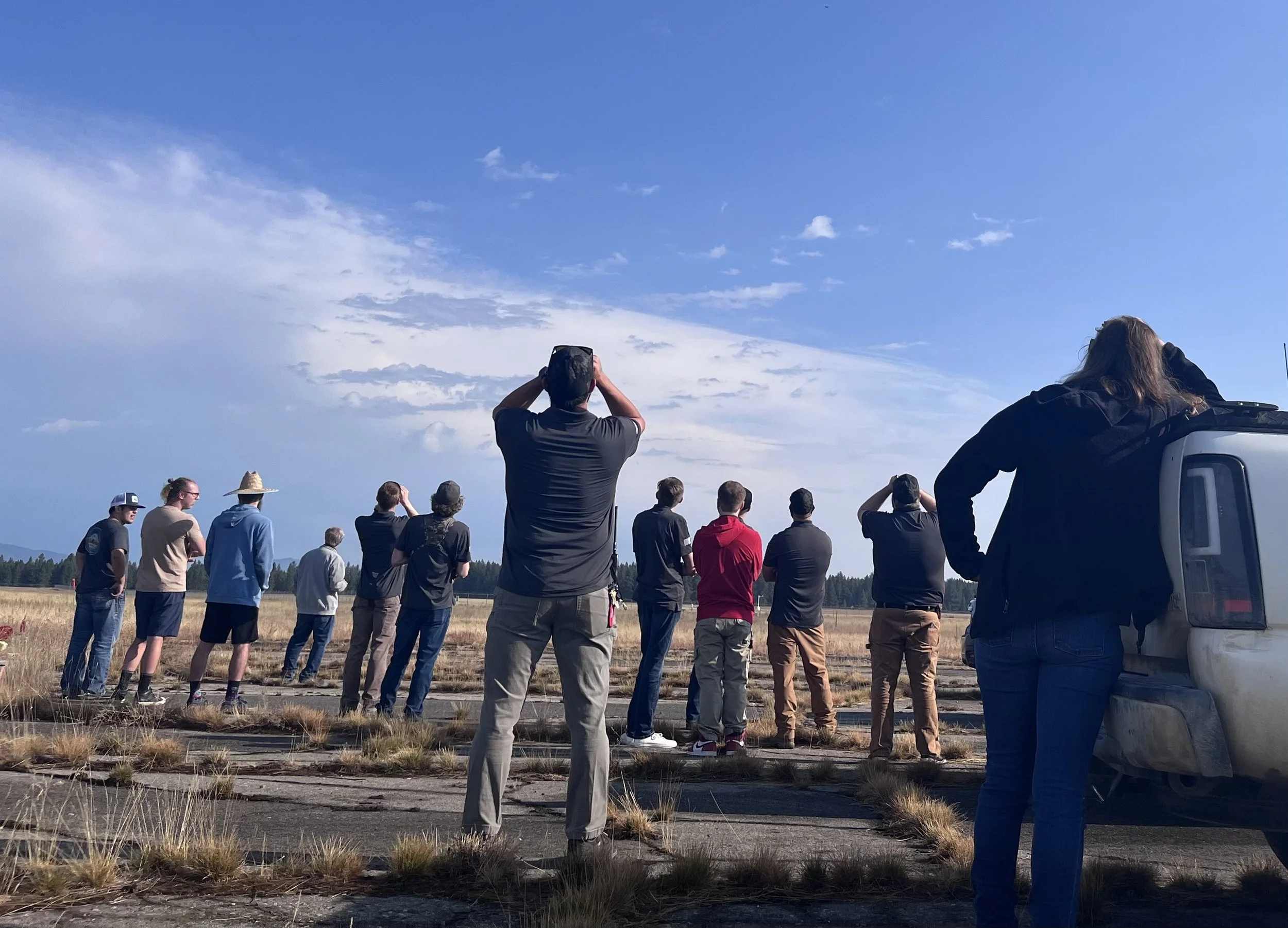
Millions Live Beyond Reliable Access to Care and Connection. The World’s Remote Regions Require Purpose-Built Aircraft.

The Enduring Need for Mission Aviation.
Across vast regions of the world, terrain makes roads unreliable or nonexistent. Mountains isolate villages. Rivers divide communities. Jungle, desert, and coastline create barriers that infrastructure cannot easily overcome. In these places, aircraft are not a luxury — they are lifelines.
-
Across the world, rugged landscapes make access to healthcare and basic human needs nearly impossible.
-
Many populations have to walk many days to receive healthcare for even minor injuries, rendering the smallest infection a death sentence in most cases.
-
This extreme isolation, sometimes caused by political unrest, warring tribal situations, or simply distance or a tough landscape leaves many populations without the help or connection they need.
Where it Started
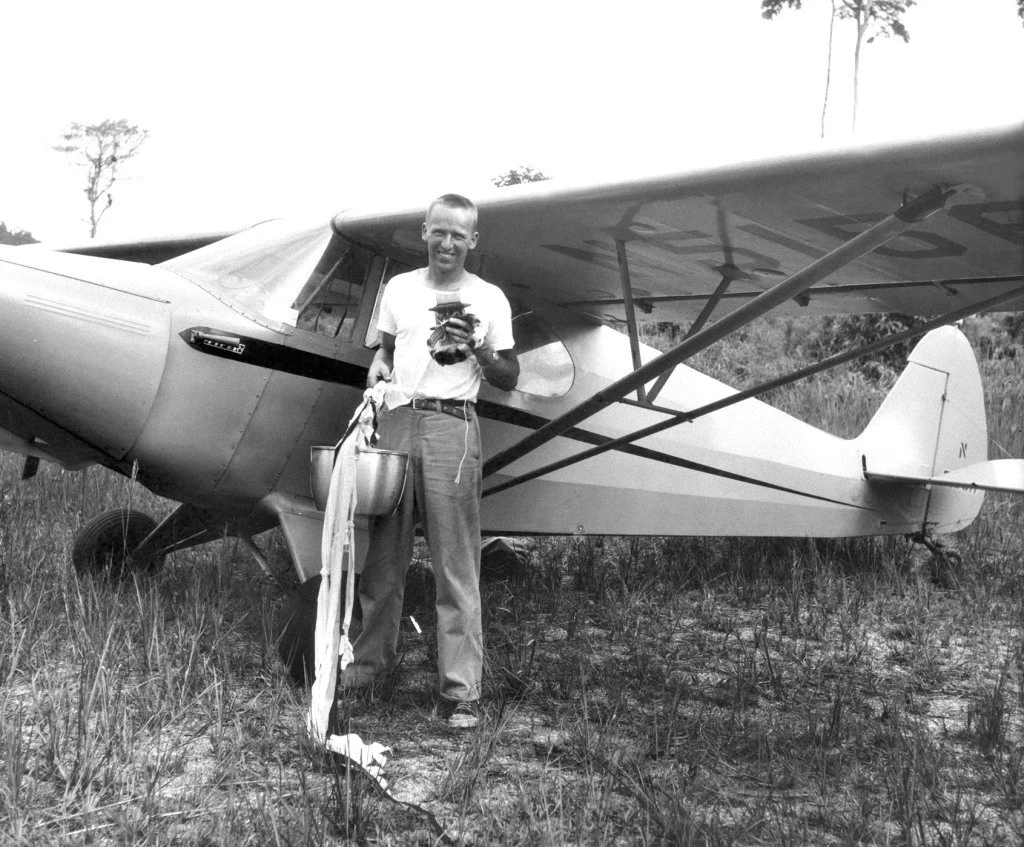
Nate Saint was a pioneering missionary aviator whose work helped define modern mission aviation. In the 1950s, he used small aircraft to reach remote communities deep in the Ecuadorian jungle, developing innovative techniques for jungle airstrips and aerial supply delivery. In 1956, while attempting peaceful contact with the Waorani people during what became known as Operation Auca, Saint and four others were killed — an event that profoundly shaped the global missionary movement.
His legacy helped establish mission aviation as a vital humanitarian bridge, demonstrating how light aircraft could overcome geographic isolation to deliver medical care, education, and long-term community support in some of the world’s most inaccessible regions.
The Challenge
Aging Utility Aircraft Fleets
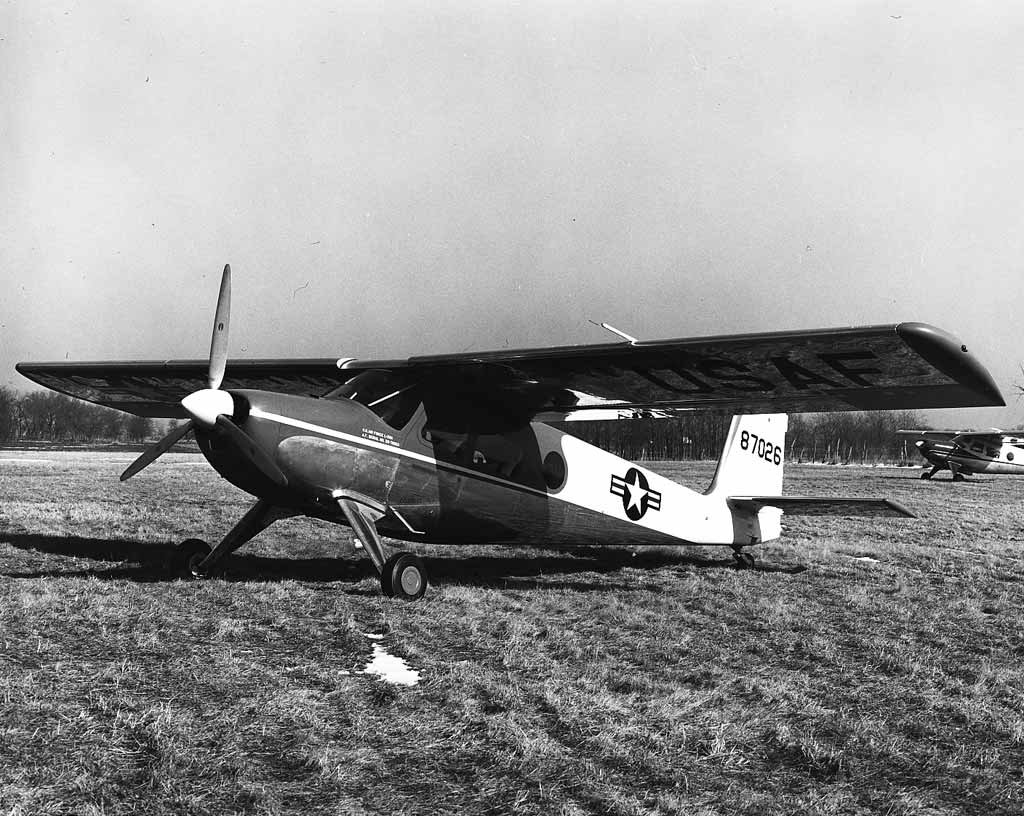
The utility aircraft most relied upon for remote and back-country operations were designed more than 60 years ago. Aircraft such as the de Havilland Beaver, Cessna 206, Pilatus PC-6 and Helio Courier continue to work hard decades later, providing critical access to the most remote regions of the world.
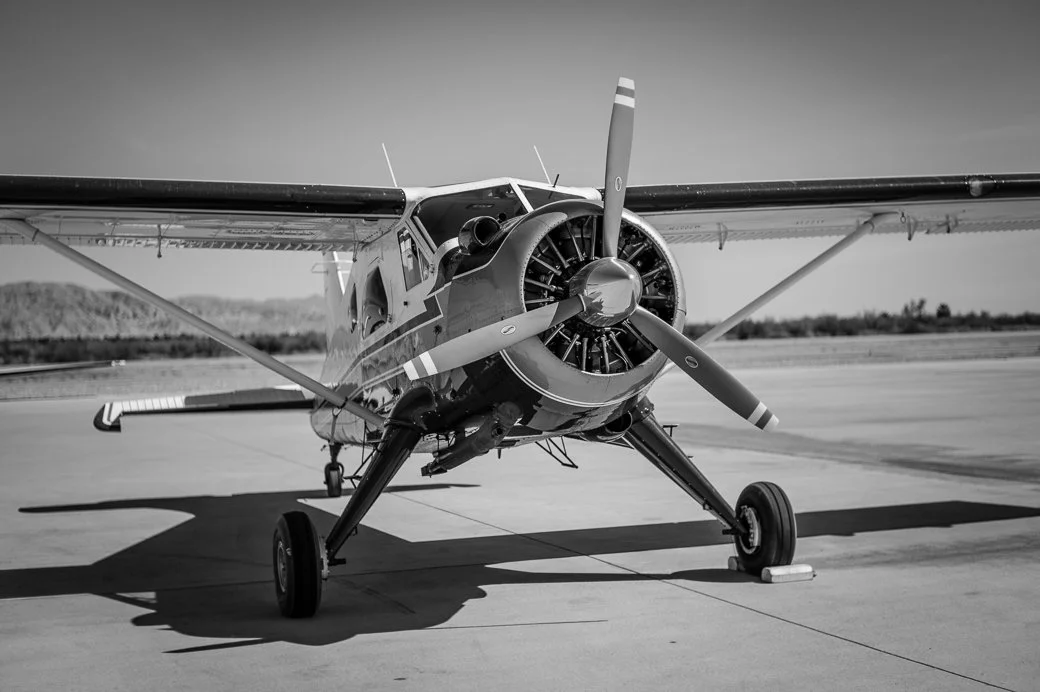
Age is no disqualification, but it brings with it structural fatigue, corrosion, and diminishing parts availability. Maintaining these airframes requires increasing time, cost, and expertise, and operators are forced to tailor their operations to accommodate these challenges.

What Mission Aviation Demands
The future of mission aviation depends on purpose-built solutions — aircraft designed from the outset for service in demanding environments.
01
Lower lifecycle cost.
02
Higher reliability.
03
Greater operational capability.
Want to Learn More?
If you share our passion for dependable aviation in demanding environments, we’d love to hear from you. Reach out to learn more about our project, our progress, and how you can be part of the mission.